
Voluntary Behavioral Health Transportation
Scheduled or time-sensitive transportation to evaluation, stabilization, inpatient, residential, recovery, outpatient, or supportive-care destinations.
Aquila coordinates non-emergency transportation for adults and minors experiencing behavioral health, substance-use, competency-related, and other sensitive circumstances. Every assignment is structured around authorization, passenger needs, safety, and the receiving plan of care.
Transportation can influence whether a person arrives calm, informed, and ready to engage in care. Aquila Transport Specialists support predictable departures, respectful communication, safe movement, and professional handoffs while remaining within the authorized transportation role.
Our model is designed to reduce unnecessary reliance on law enforcement, patrol vehicles, handcuffs, ambulances, and emergency departments when those resources are not clinically or legally required.
Program availability and referral requirements vary by jurisdiction and agreement. Aquila configures each service around the authorizing entity, passenger population, distance, destination, and required safeguards.
Scheduled or time-sensitive transportation to evaluation, stabilization, inpatient, residential, recovery, outpatient, or supportive-care destinations.
Civilian transportation connecting individuals to appropriate receiving facilities through calm communication, de-escalation, and continuous dispatch coordination.
Respectful transportation supporting detoxification, stabilization, residential admission, recovery services, and transitions between levels of care.
Transportation conducted in accordance with applicable authorization, legal restrictions, custody-transfer requirements, and destination procedures.
Coordinated movement to and from evaluation or restoration settings, including court documentation, chain-of-custody processes, and agency handoffs.
Age-appropriate interaction, guardian coordination, youth-specific preparation, and staffing aligned with authorization and program requirements.
Patient, respectful support for individuals experiencing dementia, cognitive impairment, disorientation, or other age-related needs.
Accessible vehicle options for passengers whose mobility needs can be safely served without ambulance-level medical monitoring or intervention.
Planned regional transportation with route management, rest and safety planning, continuous communication, and receiving-facility confirmation.
Aquila selects the vehicle configuration around passenger needs, mobility, distance, authorized safeguards, and the receiving plan—not a one-size-fits-all fleet model.

Sedans, SUVs, passenger vans, and accessible vehicles support different assignments while preserving a calm, respectful arrival.
Aquila uses the least restrictive vehicle configuration appropriate to the passenger, assessed risk, transportation plan, and contract requirements.
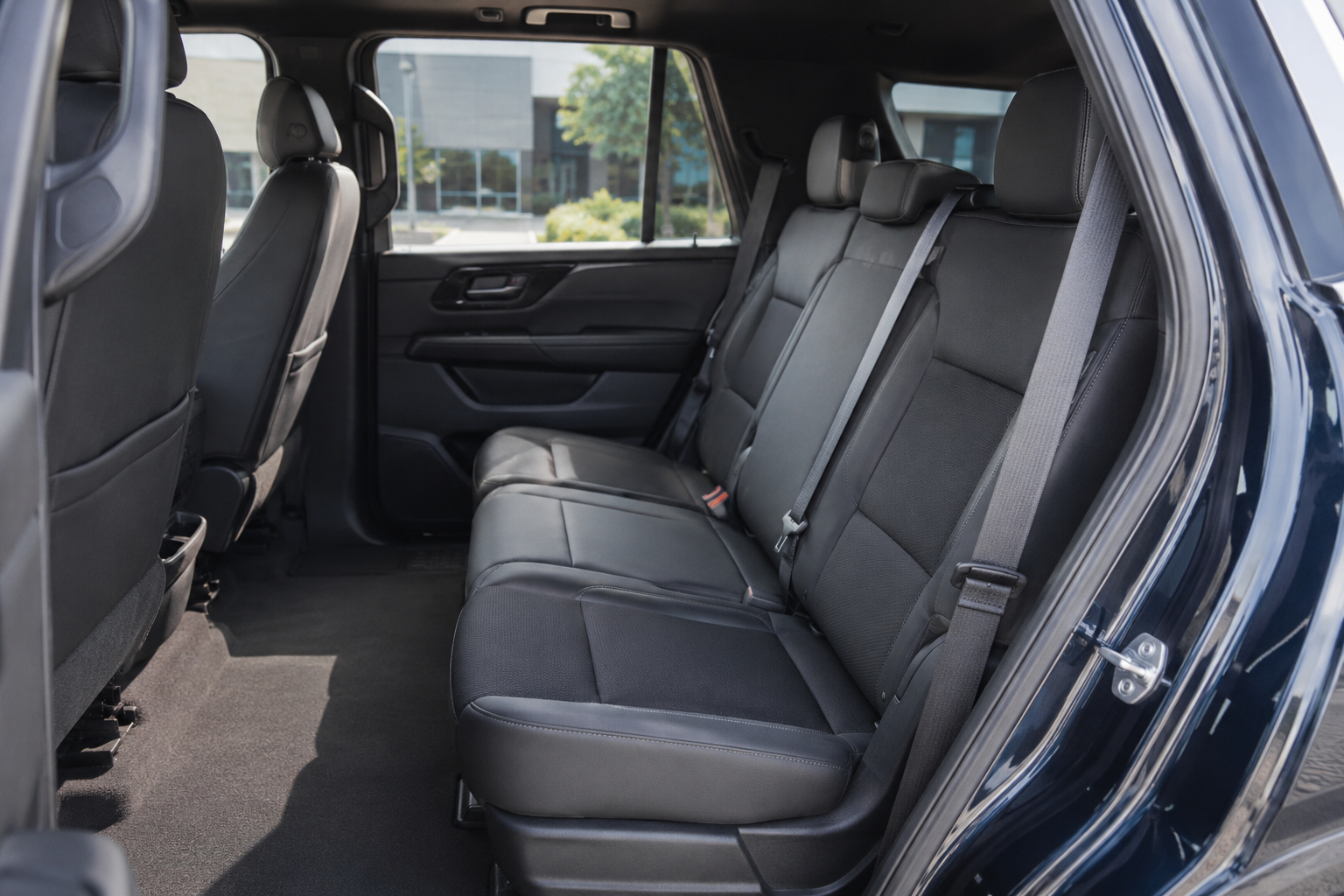
For routine, voluntary, and lower-acuity transportation when additional separation is not required.
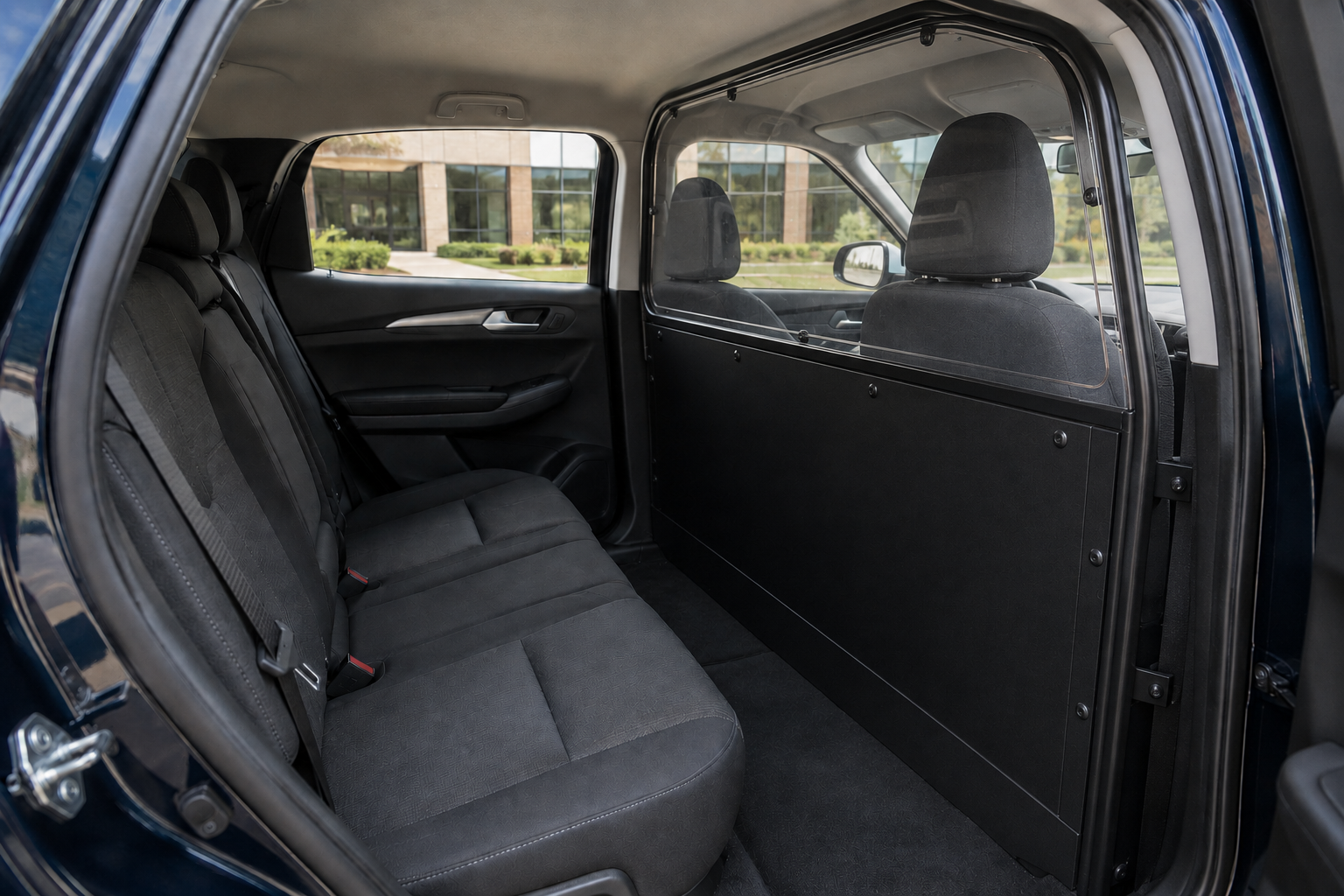
Available when assessed risk, legal requirements, or program protocols call for a vehicle-specific safety partition.
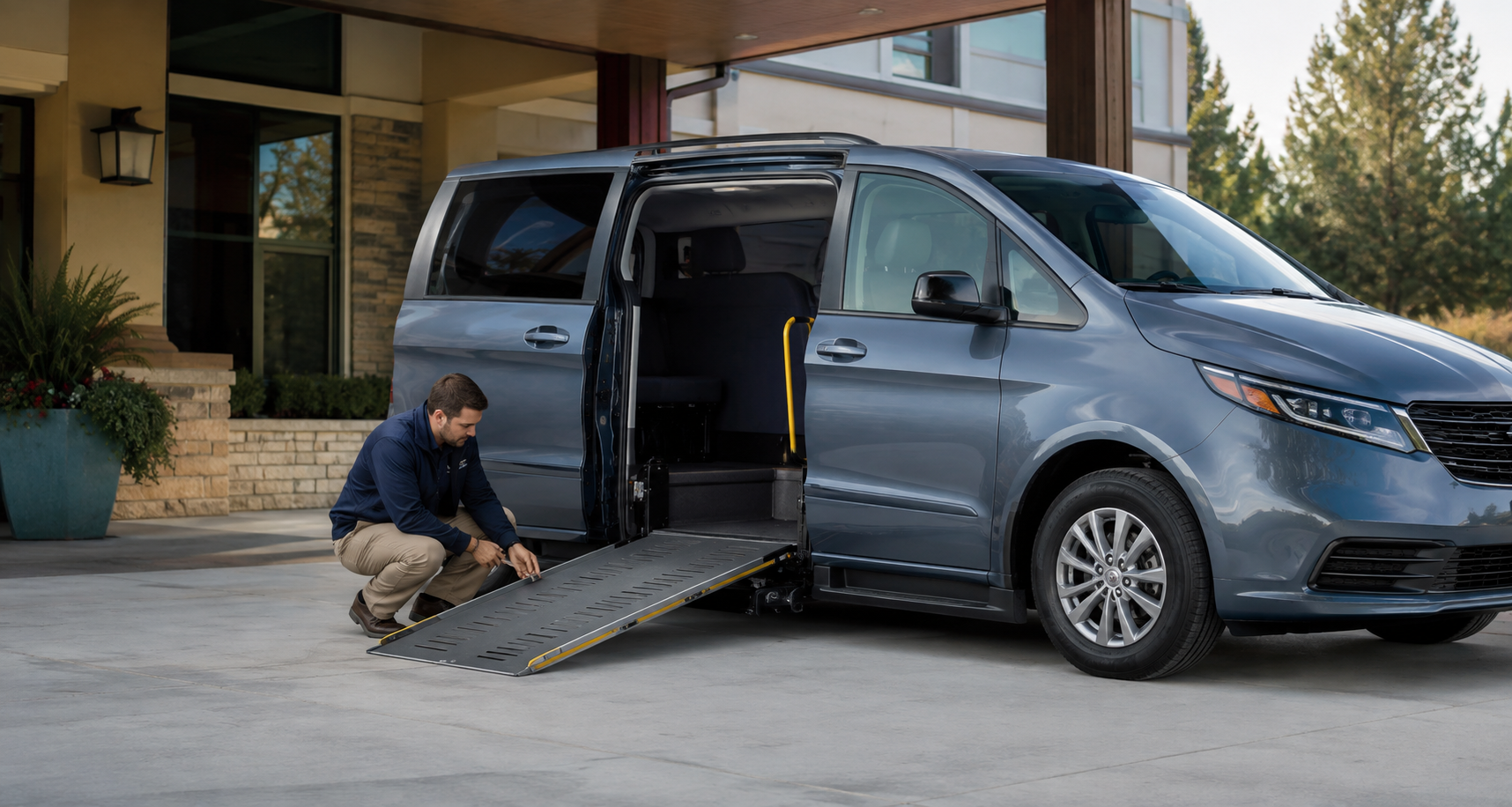
Wheelchair-capable vehicles are assigned when mobility needs can be served safely without ambulance care.

Personnel verify vehicle condition, required equipment, cleanliness, fuel, and assignment-specific configuration.
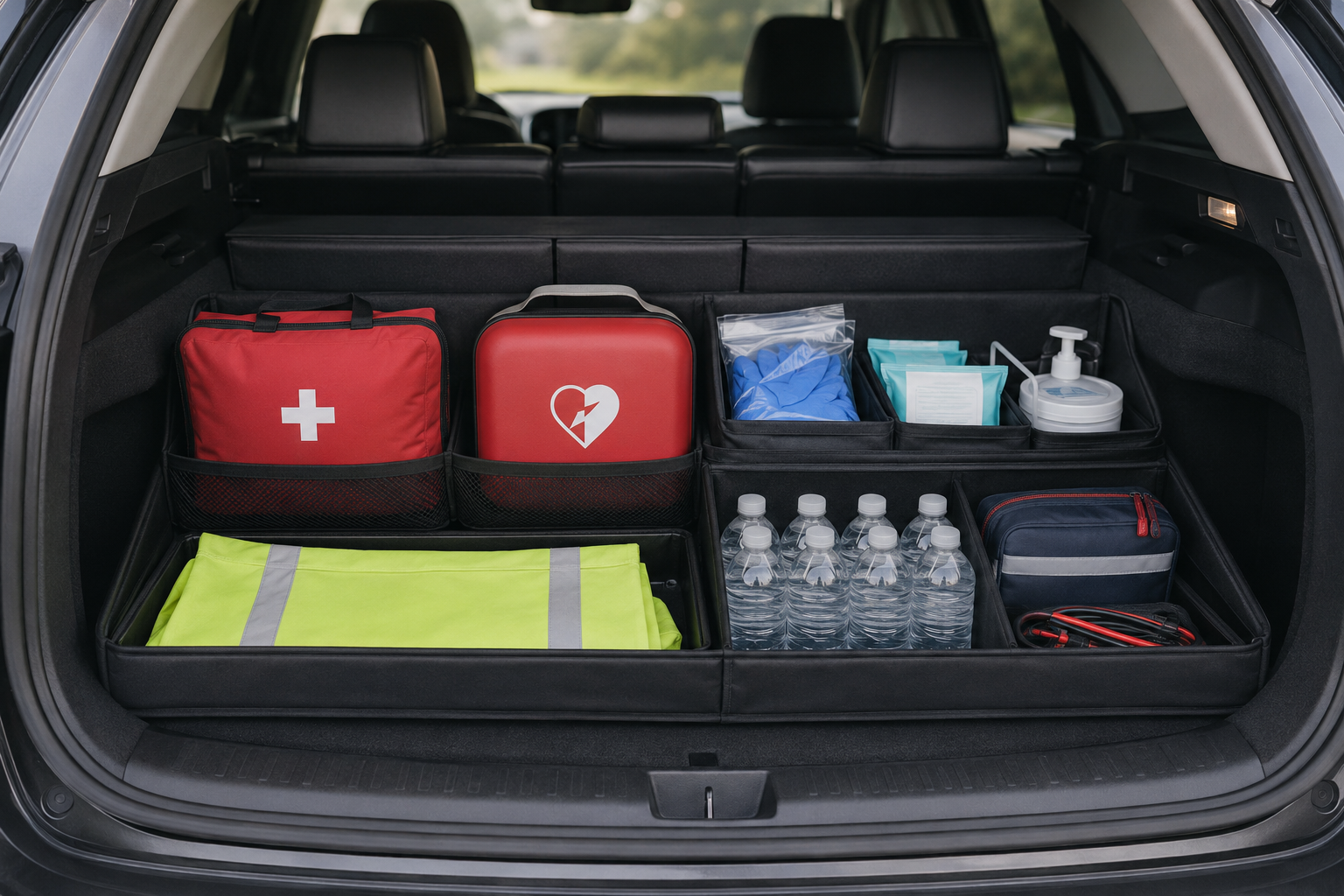
Program-appropriate first aid, AED, sanitation, visibility, hydration, and roadside supplies are secured onboard.
Vehicle type, equipment, staffing, and safeguards are selected by program requirements and individual assignment needs.
No single vehicle or staffing model is right for every person.
Contract-specific procedures may differ, but each program follows a controlled transportation lifecycle.
Verify the authorized referral source, applicable documentation, passenger eligibility, and requested service type.
Validate acceptance, receiving contact, destination instructions, and timing or admission requirements.
Review mobility, behavior, age, belongings, risk factors, communication needs, and required safeguards.
Match personnel, vehicle configuration, route, and response priority to the approved transportation plan.
Maintain supportive communication, follow the approved route, and provide status or ETA updates.
Transfer the passenger and authorized information, confirm acceptance, and complete required records.
Our personnel are civilian transportation professionals prepared to support sensitive populations without presenting as law enforcement or ambulance clinicians.
Explore Safety & StandardsAquila Specialty Transport provides non-emergency, non-ambulance transportation. Transport Specialists do not diagnose, monitor, or treat medical conditions during transport.
Passengers requiring ambulance-level assessment, clinical monitoring, medical intervention, or emergency response must be served by an appropriately licensed medical provider.
Separate emergency medical and ambulance capabilities are available within the Aquila family through Aquila Medical Services, a separately regulated legal entity.
If an emergency develops, personnel follow emergency procedures and request 911 or the appropriate emergency medical response.
CMHCs, crisis centers, residential programs, substance-use providers, and recovery organizations.
Discharge teams, emergency departments, inpatient units, and care-management programs.
State and local agencies, courts, competency programs, crisis lines, and authorized public partners.
General inquiries and navigation assistance, subject to local authorization and referral requirements.
Families may contact Aquila for general information. Whether a direct request can be accepted depends on the jurisdiction, payer, authorization, passenger needs, and program rules. Some services require referral by an approved facility, agency, court, clinician, case manager, crisis system, or law-enforcement entity.
No. Aquila uses the least restrictive configuration appropriate to the authorization, passenger needs, risk assessment, and contract. Lower-risk transportation may use non-secured vehicles, while authorized higher-risk assignments may require safety partitions or additional staffing.
Yes. Youth transportation includes age-appropriate procedures, guardian coordination, specialized training, and staffing decisions consistent with the applicable program.
No. Aquila Specialty Transport is a non-ambulance transportation service. Medical transportation requiring clinical assessment, monitoring, or intervention must be provided through an appropriately licensed medical service.